Cross-border medical guidance
Clearer support for international visitors exploring care in China.
We help international visitors and families understand options, coordinate practical next steps, and prepare for medical care in China—with particular experience supporting people from New Zealand and Australia.
Practical patient support
A calmer way to understand the next step before making a cross-border medical decision.
Find your path
Start with the part of the process you need most.
Whether you are still deciding if the service fits your situation or you are ready to prepare your case, these pages are designed to make the next step easier to understand.
Why people come to us
Cross-border care decisions can feel difficult to manage alone.
Patients and families often need more than general information. They need help making the process clearer, more organized, and less overwhelming.
It can be hard to judge which hospitals or specialists are worth exploring.
Language barriers add stress before appointments and during planning.
Travel, timing, and family logistics often make decisions more complex.
Many patients want guidance without pressure or exaggerated claims.
Support areas
Practical support designed around coordination, communication, and preparation.
The service is built to help patients move from uncertainty toward a clearer plan, while respecting the seriousness of medical decisions.
Hospital and specialist matching
Help narrowing relevant options based on your condition and planning needs.
Learn moreAppointment coordination
Support with timing, preparation, and practical communication around appointments.
Learn moreTranslation support
Guidance that reduces language barriers and helps patients feel more prepared.
Learn moreTravel and arrival support
Practical help for planning before departure and managing the first steps after arrival.
Learn morePlanned care programs
A separate path for more standardized care planning.
Some visits are more structured than open-ended specialist journeys. When the main need is clear preparation, timing, and lower-friction logistics, planned care programs can be a better fit.
Explore planned care programsCommon program types
How the process works
A simple path from first question to practical support.
Step 1
Start with your case
Share your situation, goals, and timing so the planning conversation begins with your real needs.
Step 2
Receive initial guidance
We review the details to understand whether the service is suitable and what next step may be useful.
Step 3
Clarify support options
If appropriate, we help narrow coordination, translation, and planning needs for the journey ahead.
Step 4
Prepare with more confidence
The process is designed to reduce confusion and help patients move forward in a calmer, more organized way.
Why trust matters here
Representative environments
Guidance shaped by real experience, not generic marketing claims.
The service is grounded in firsthand experience navigating treatment, hospital systems, and long-term care coordination in China, while understanding expectations common in Western healthcare systems—including particular familiarity with patients from New Zealand and Australia. Real hospital photos help make the planning conversation more concrete for patients and companions.
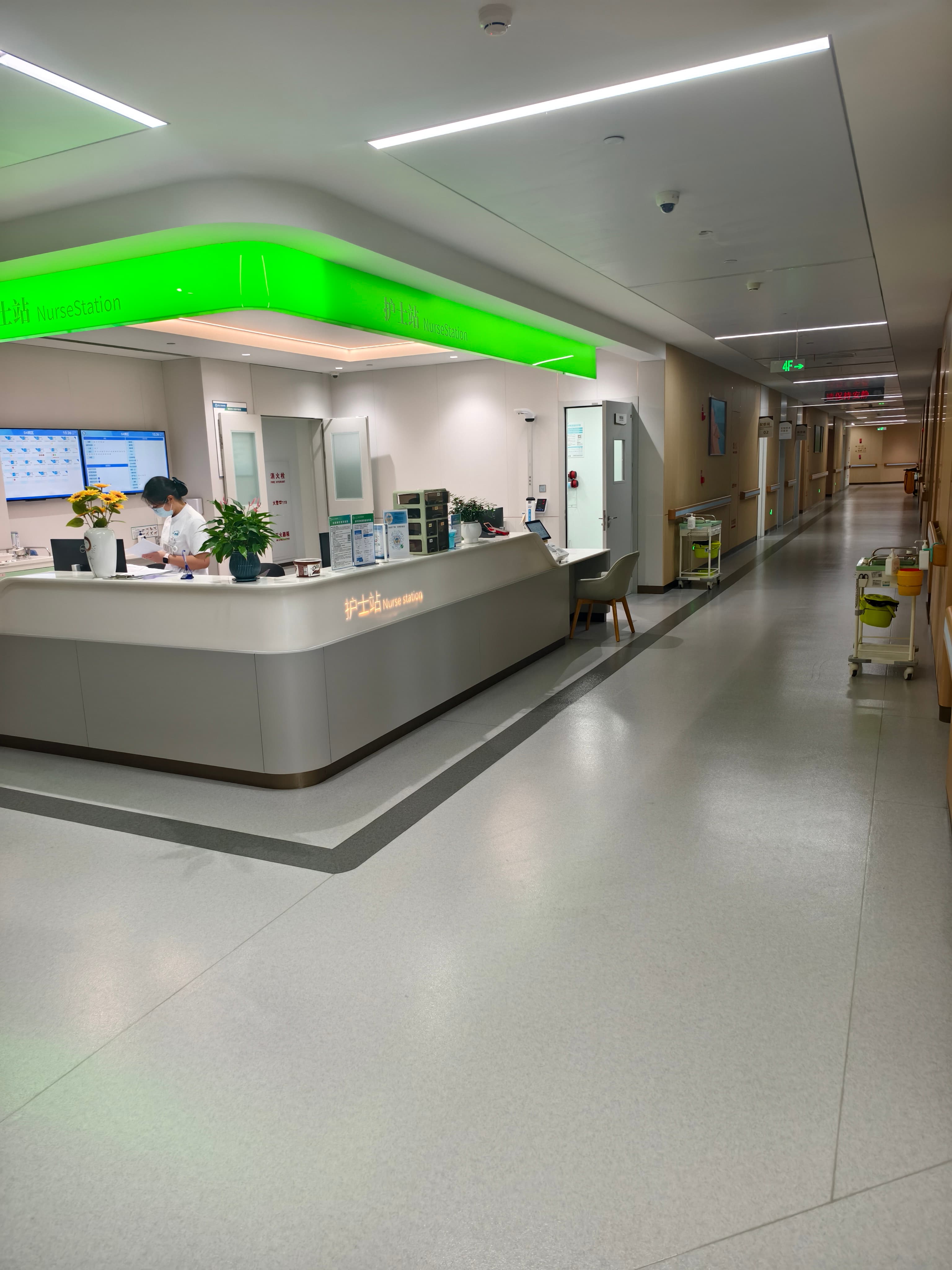
Reception
Arrival and first-contact environment
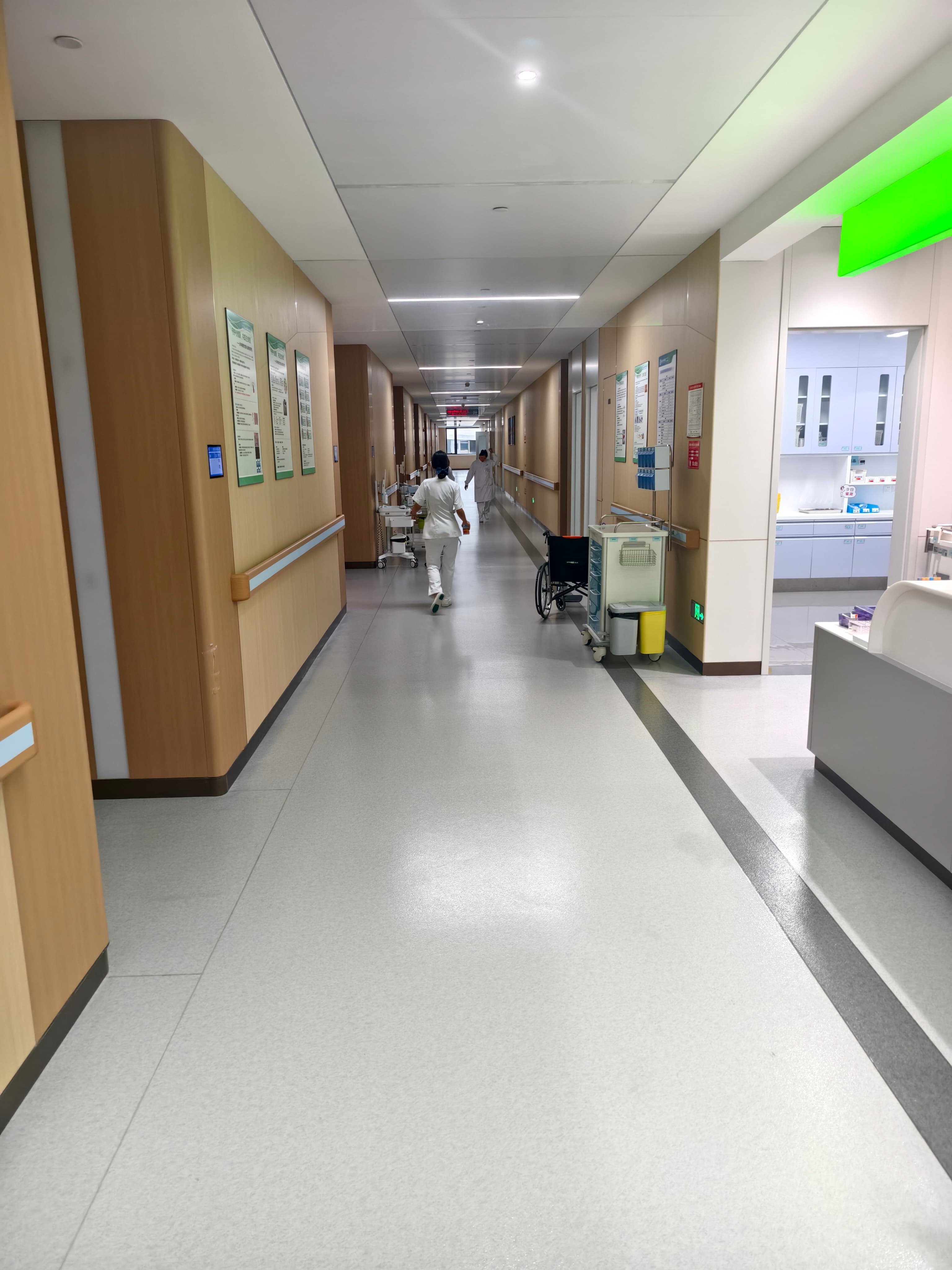
Inpatient Department
A more realistic sense of the hospital setting
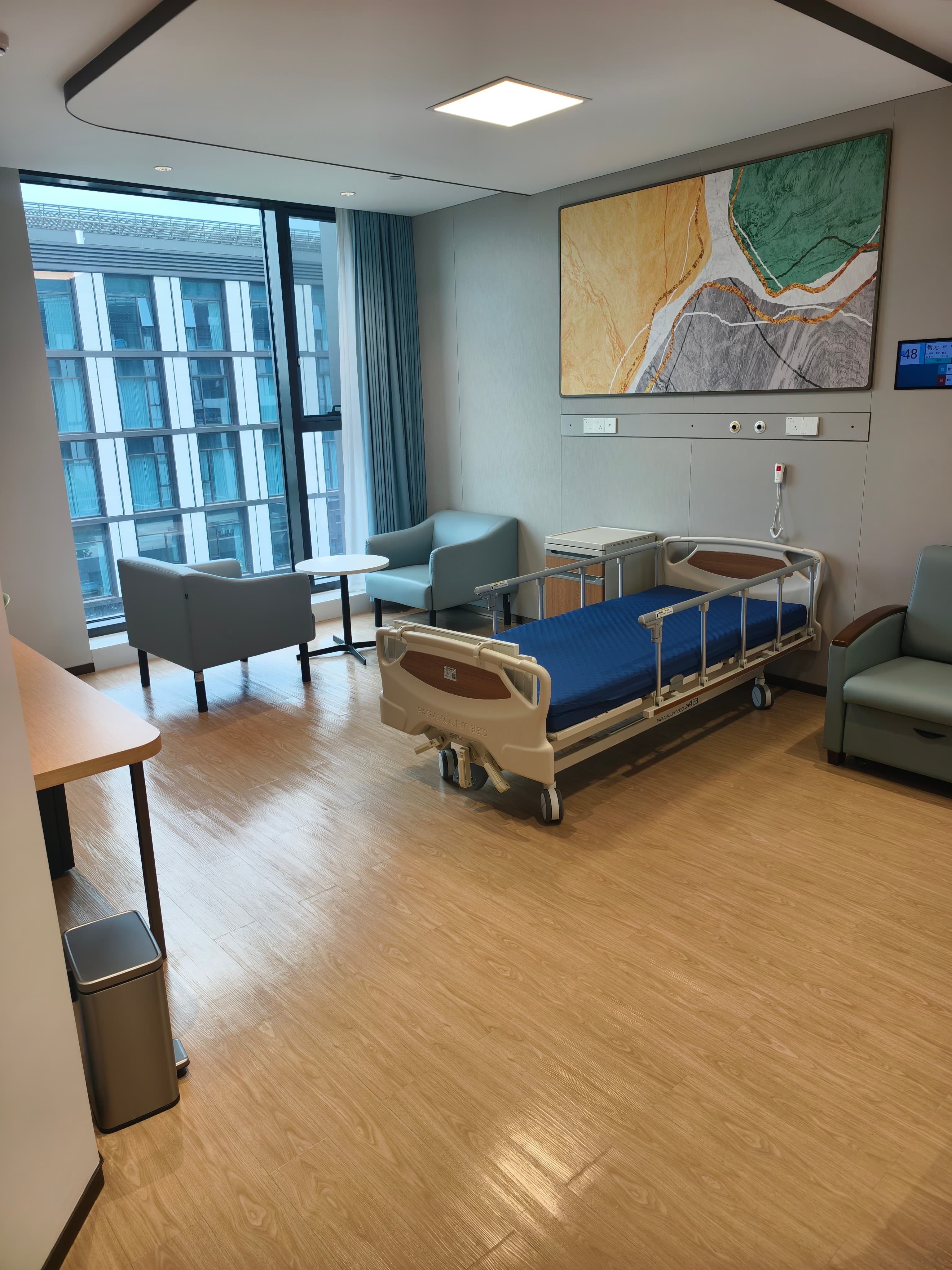
Ward 1
Representative inpatient room layout

Ward 2
Another inpatient room example
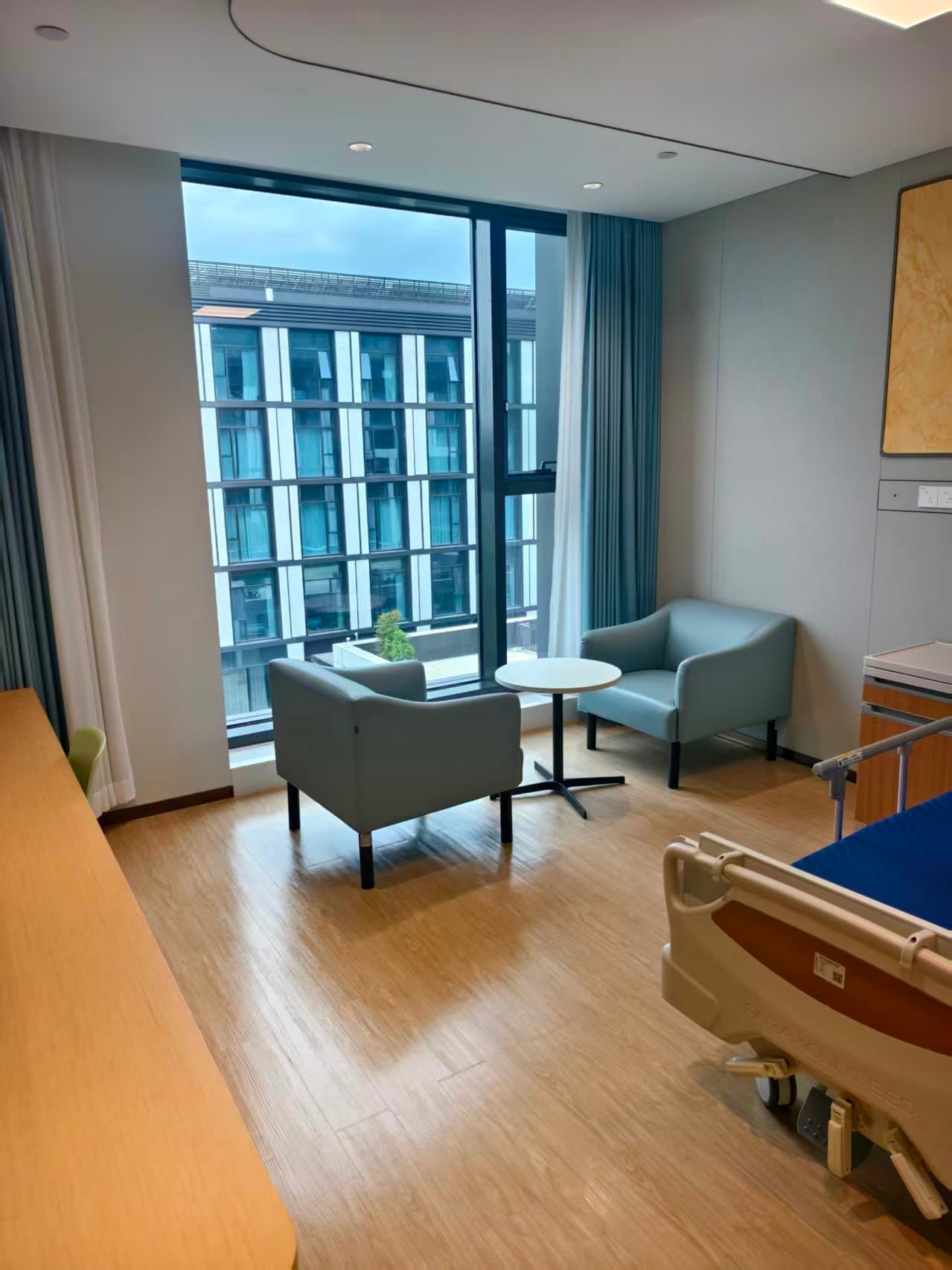
Ward 3
Room details and patient-facing environment
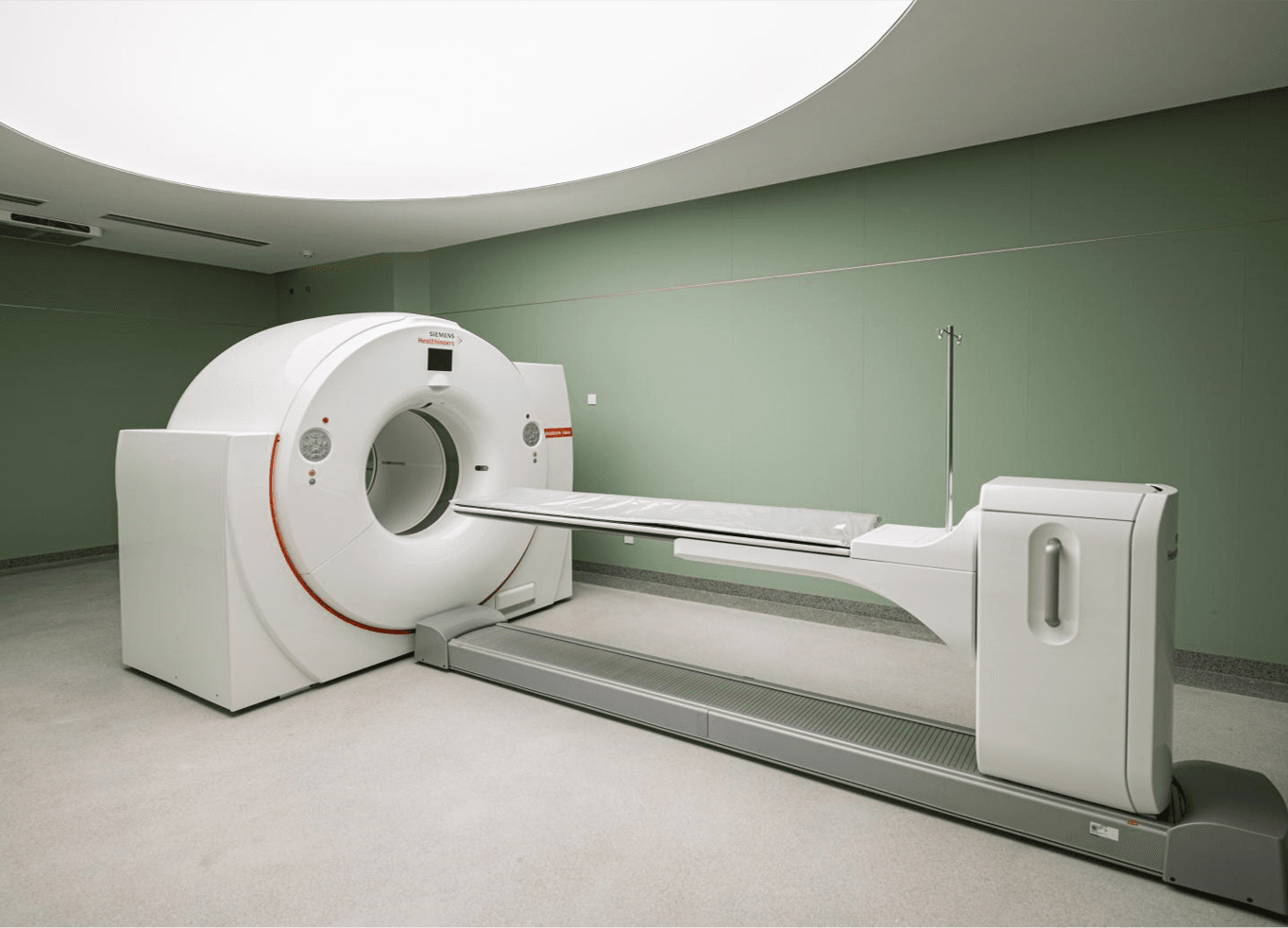
PET-CT 1
Representative imaging equipment
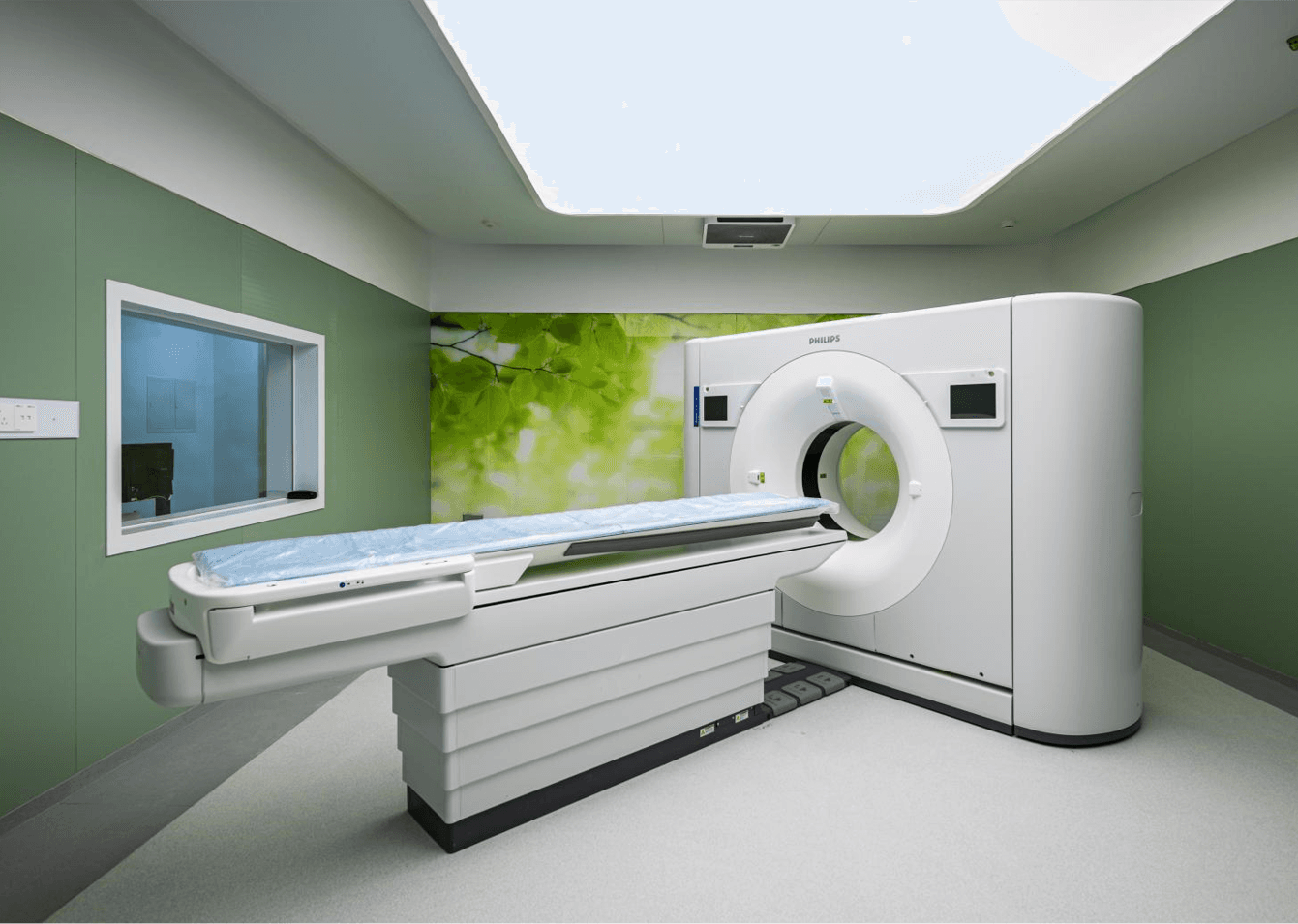
PET-CT 2
Alternative scanner angle
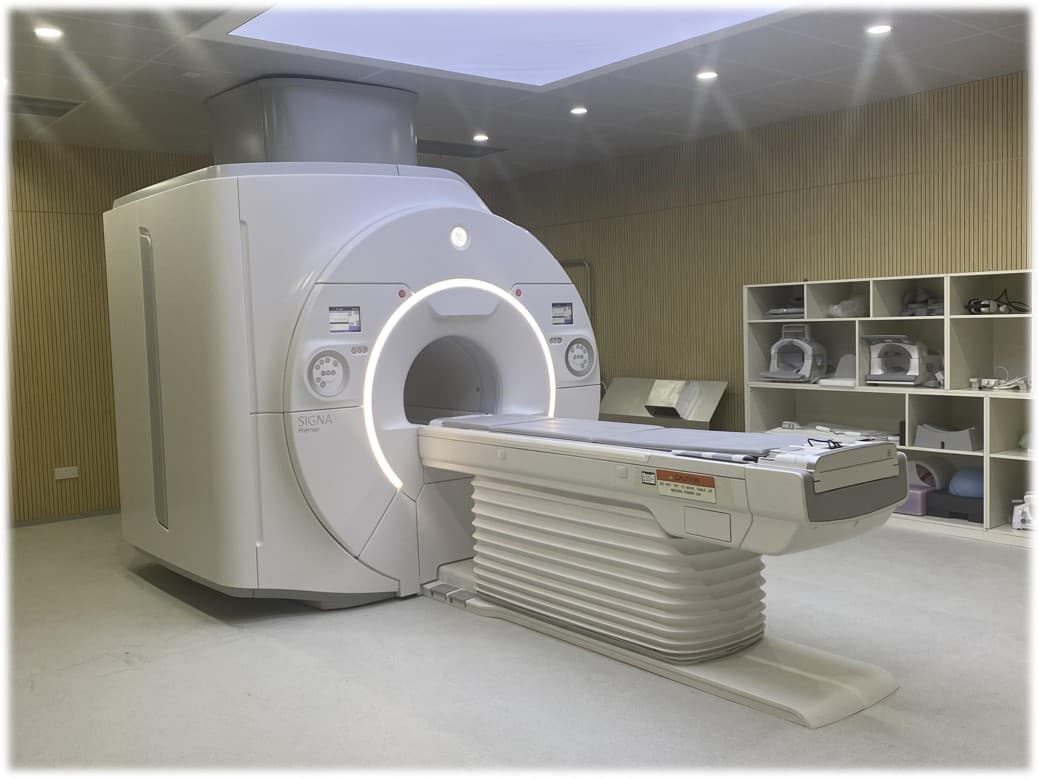
PET-CT 3
Imaging room environment
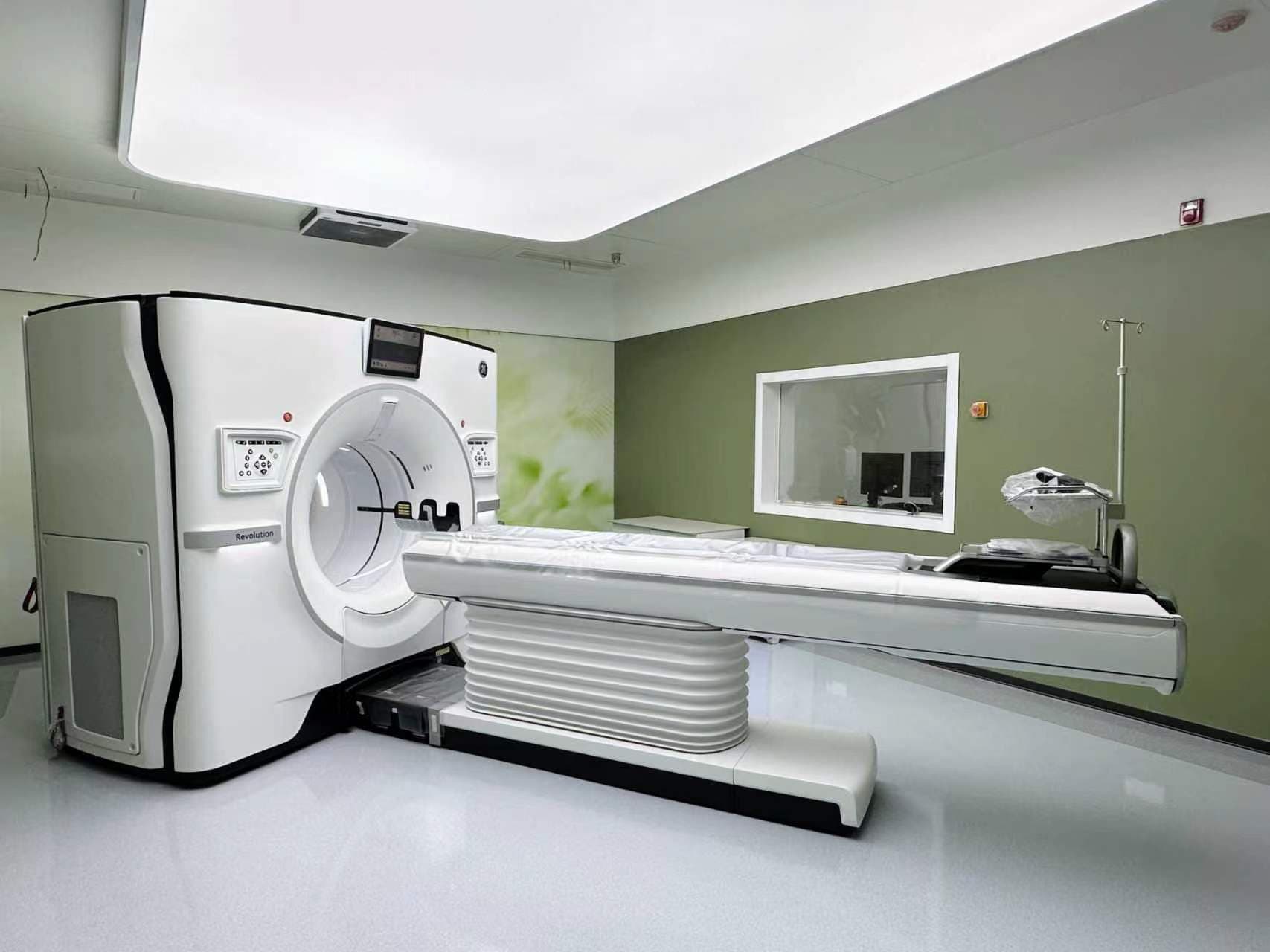
PET-CT 4
Additional scanner environment detail
Ready for a clearer next step?
Start with your situation and let the next conversation be guided by real details.
You do not need every answer before you begin. Sharing the basics of your case can be enough to understand what kind of support may be most useful.